
Jobs that involve frequent lifting, carrying, or repetitive movement strain the muscles. Whether someone works in construction, warehouse operations, or health care, developing muscular strength contributes to physical endurance and control throughout a shift. Focusing on strength-building exercises will make your body feel powerful and healthy throughout every demanding day of work.
Squats
Lifting supplies from the ground places considerable demands on the lower body. For anyone who handles heavy materials regularly, squats are a beneficial exercise.
Squats primarily engage the quadriceps, glutes, and hamstrings. The abdominal muscles contribute to stability throughout the movement. These muscles work together to control the body as someone lowers into a squat and returns to a standing position.
Construction workers frequently squat to collect tools, position materials, or complete tasks close to the ground. Warehouse employees perform similar movements when handling packages stored on low shelves. Bodyweight squats offer an accessible introduction to this exercise, while dumbbells or barbells provide additional resistance as strength develops. Consistent training improves the muscular capacity involved in repeated bending and lifting tasks.
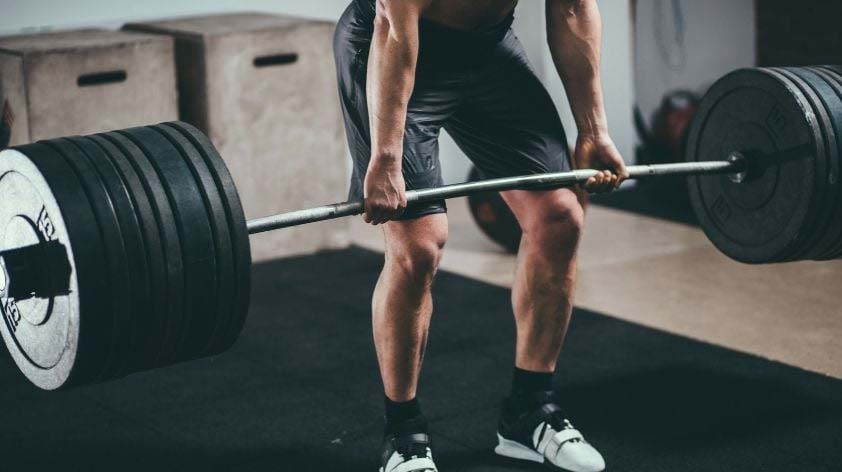
Deadlifts
Moving heavy objects from a low position requires coordinated muscle engagement throughout the body. Deadlifts target the glutes, hamstrings, and muscles along the back, with the core contributing to spinal stability. Using a barbell, kettlebell, or pair of dumbbells introduces resistance that challenges the muscles responsible for extending the hips and maintaining a controlled posture.
For delivery drivers who handle parcels and agricultural workers who lift equipment, hip strength contributes to managing substantial physical workloads. Deadlifts develop the hip-hinge movement used when reaching down to lift an object. Nevertheless, workplace lifting techniques must account for the object’s shape and position. Appropriate resistance and controlled technique remain essential, since lifting excessive weight with poor form places unnecessary strain on the back.
Farmer’s Carries
Transporting heavy objects across a workplace challenges the muscles responsible for gripping, stabilizing, and carrying loads. Farmer’s carries involve holding weights at the sides of the body while walking a measured distance. Dumbbells or kettlebells provide suitable resistance, engaging the forearms, shoulders, core, and leg muscles throughout the exercise.
Warehouse employees regularly transport boxes or supplies, while construction workers carry equipment between work areas. Developing grip strength and trunk stability prepares these muscle groups for similar demands. However, physical conditioning works alongside appropriate handling procedures, and following operator safety tips for warehouse workers is essential when employees work around packaging equipment. Together, physical preparation and workplace safety practices contribute to a responsible approach to demanding tasks.
Lunges
Occupations involving frequent walking, kneeling, or changes in body position place substantial demands on the legs. Lunges target the quadriceps and glutes while engaging the hamstrings and core to control balance. Because each leg works through the movement individually, this exercise challenges single-leg stability and coordination. Bodyweight lunges provide a useful foundation, with dumbbells introducing additional resistance.
Landscaping professionals frequently change position when tending plants or moving materials across uneven ground. Similarly, electricians and maintenance technicians work in positions that require controlled movement between standing and kneeling. Lunges develop muscular control relevant to these activities.
For people whose occupations involve indoor environments, spending time outside exercising offers a change of scenery. Find level ground outside, and practice the lunges in a setting. This will give the brain the break it desperately needs while strengthening your body’s muscles.
Step-Ups
Climbing stairs or stepping onto raised surfaces relies heavily on the muscles surrounding the hips and knees. Step-ups engage the quadriceps, glutes, and calves. The action encourages coordinated leg movement and balance. A sturdy exercise platform or low bench provides the necessary equipment, and holding dumbbells increases resistance once the movement feels controlled.
For postal workers delivering parcels to properties with stairs, repeated climbing places demands on the lower body. Tradespeople encounter similar challenges when navigating buildings or carrying supplies between floors. Step-ups strengthen the muscles involved in lifting body weight onto an elevated surface, making them relevant to occupations with frequent changes in elevation.
Push-Ups
Pushing heavy objects or applying force through the arms demands coordinated upper-body strength. Push-ups primarily engage the chest, triceps, and front shoulder muscles, with the core stabilizing the torso. Since the exercise uses body weight as resistance, it fits into a home training routine. Incline push-ups against a stable surface provide an alternative when standard floor push-ups prove too challenging.
Healthcare professionals sometimes perform pushing movements when repositioning equipment or moving hospital beds, while warehouse employees encounter similar demands when maneuvering loaded trolleys. Developing upper-body strength contributes to the muscular capacity involved in these activities. Push-ups train coordinated force through both arms, although the resistance encountered at work varies considerably according to the equipment and task.
Bent-Over Rows
Pulling objects towards the body engages muscles across the upper back and arms. Bent-over rows target the latissimus dorsi, rhomboids, and trapezius. Then, the biceps assist with the pulling movement. Dumbbells, barbells, or resistance bands provide suitable equipment.
Mechanics frequently pull tools or components towards their bodies, and warehouse employees perform comparable actions when retrieving materials from storage areas. Rows develop strength through the pulling motion while encouraging coordinated activity across the upper back. Anyone who experiences muscular tightness after repetitive tasks might incorporate easy stretches that diminish muscle stiffness into their recovery routine.
Planks
Maintaining a stable torso contributes to controlled movement when lifting, carrying, or working in positions that challenge balance. Planks primarily activate the abdominal muscles, including the transverse abdominis and rectus abdominis, alongside muscles surrounding the spine and shoulders. The exercise involves holding a supported position using body weight, so no specialist equipment is necessary beyond an optional exercise mat.
Plumbers and electricians frequently work in confined spaces where maintaining body position demands sustained muscular effort. Similarly, construction employees rely on trunk stability when handling tools at varying heights. Planks develop isometric strength, meaning the muscles produce tension without substantial joint movement. Gradually increasing the duration of a controlled hold challenges endurance without requiring additional weights.
Feel Strong and Secure During Physical Tasks
When you work a physically demanding job, your body needs to be strong and ready for every task that comes your way. A consistent training routine that prioritizes the movements you conduct each day will enhance your ability to work safely and efficiently.
Beginning with manageable resistance and gradually increasing the challenge gives muscles time to adapt. With consistent training and appropriate workplace practices, employees can build physical capabilities that contribute to their fitness beyond working hours.


