
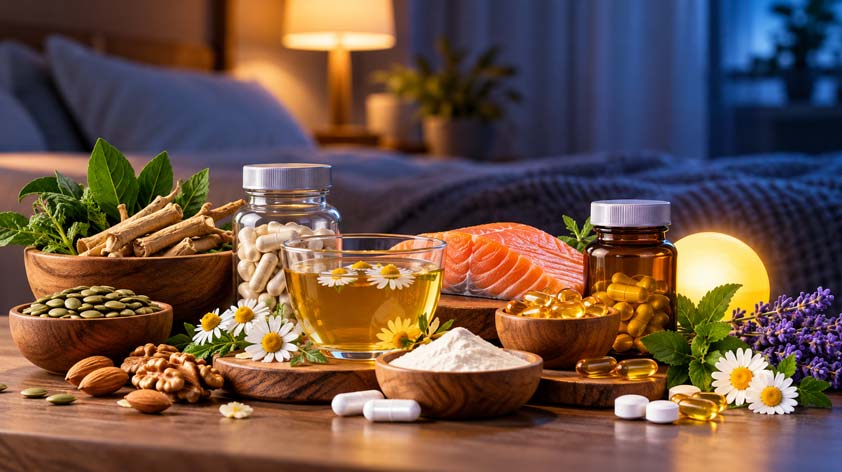
Stress and anxiety can affect many aspects of your daily life, from sleep and concentration to mood and energy levels. They can negatively impact your physical health as well. While healthy habits, such as regular exercise, balanced meals, and adequate sleep, can help manage stress, stress relief supplements may provide additional support for people looking to improve relaxation and overall well-being.
Finding a nighttime recovery and stress support supplement may be a helpful option for people who have trouble relaxing or winding down at the end of the day. Different supplements may support the body’s natural response to stress in different ways. Though supplements aren’t a substitute for professional treatment, when stress and anxiety are severe or interfering with everyday life, they can help ease their effects.
1) Magnesium
Magnesium is an essential mineral that’s involved in hundreds of processes throughout the body. It plays a role in normal nerve and muscle function. Some people take magnesium in the evenings because they find it helps them relax and prepare for sleep. Foods such as nuts, seeds, beans, and leafy greens are also good sources of this mineral.
2) Ashwagandha
Ashwagandha is an herb that has been used for centuries in Ayurvedic practices. Some research suggests that it may help the body manage stress. Studies show that it can also help improve brain function and sleep quality along with a variety of other benefits.
3) L-Theanine
L-theanine is an amino acid that’s naturally found in tea leaves. It has been studied for its potential ability to promote relaxation without necessarily causing significant drowsiness. Because of this, some people use L-theanine when they want to feel calmer while remaining alert.
4) Omega-3 Fatty Acids
Omega-3 fatty acids are commonly associated with heart and brain health. They’re found in foods such as fatty fish, walnuts, and flaxseeds and are also available as supplements. Research on omega-3s and their effects on mood is ongoing. Some evidence suggests that they can play a role in supporting overall mental well-being.
5) Vitamin D
Vitamin D is important for bone health, immune function, and several other aspects of health. Low vitamin D levels have been associated with mood concerns. A supplement may be appropriate for people who aren’t getting enough vitamin D although it’s generally best to determine whether supplementation is needed rather than taking high doses unnecessarily.
6) Chamomile
Chamomile has long been used as a traditional herbal remedy for relaxation and sleep. Chamomile tea is a simple way to incorporate it into a nighttime routine while concentrated forms are also available in supplements. Though it’s generally safe, people with allergies to plants in the daisy family should be cautious with chamomile.
7) Melatonin
Melatonin is a hormone the body naturally produces in response to darkness, and it helps regulate the sleep-wake cycle. Melatonin supplements may be useful for some people who have difficulty falling asleep, particularly when their sleep schedule is disrupted. It isn’t considered a treatment for anxiety itself, but improving sleep may make it easier to cope with everyday stress. Getting adequate sleep can also help offset some of the physical effects of stress.
Choosing the Right Supplements
Not every supplement works the same way for everyone, and “natural” doesn’t automatically mean risk-free. Some supplements can interact with prescription medications or may not be appropriate for people with certain health conditions. It’s a good idea to discuss new supplements with a doctor or pharmacist, particularly if you’re taking medications.
That being said, stress relief supplements can be an effective part of a broader approach to managing stress and anxiety. Many natural ingredients may support restful sleep while also providing additional benefits. Combining appropriate supplementation with healthy routines, relaxation techniques, physical activity, and professional support when needed can provide a more well-rounded approach to improving your overall well-being.


