
At some point, strength training over 40 stops being about aesthetics. It becomes about function. Longevity. Independence.
It becomes about function. Longevity. Independence.
If you’re over 40, strength training is no longer optional—it’s essential. Muscle mass naturally declines with age, and without resistance training, this loss accelerates. The result? Reduced mobility, lower energy, and increased risk of injury.
But the good news is this: your body is incredibly adaptable.
With the right approach, you can build strength, maintain muscle, and protect your future—all without extreme workouts.
5. Prioritise Movement Quality
Form matters more than weight.
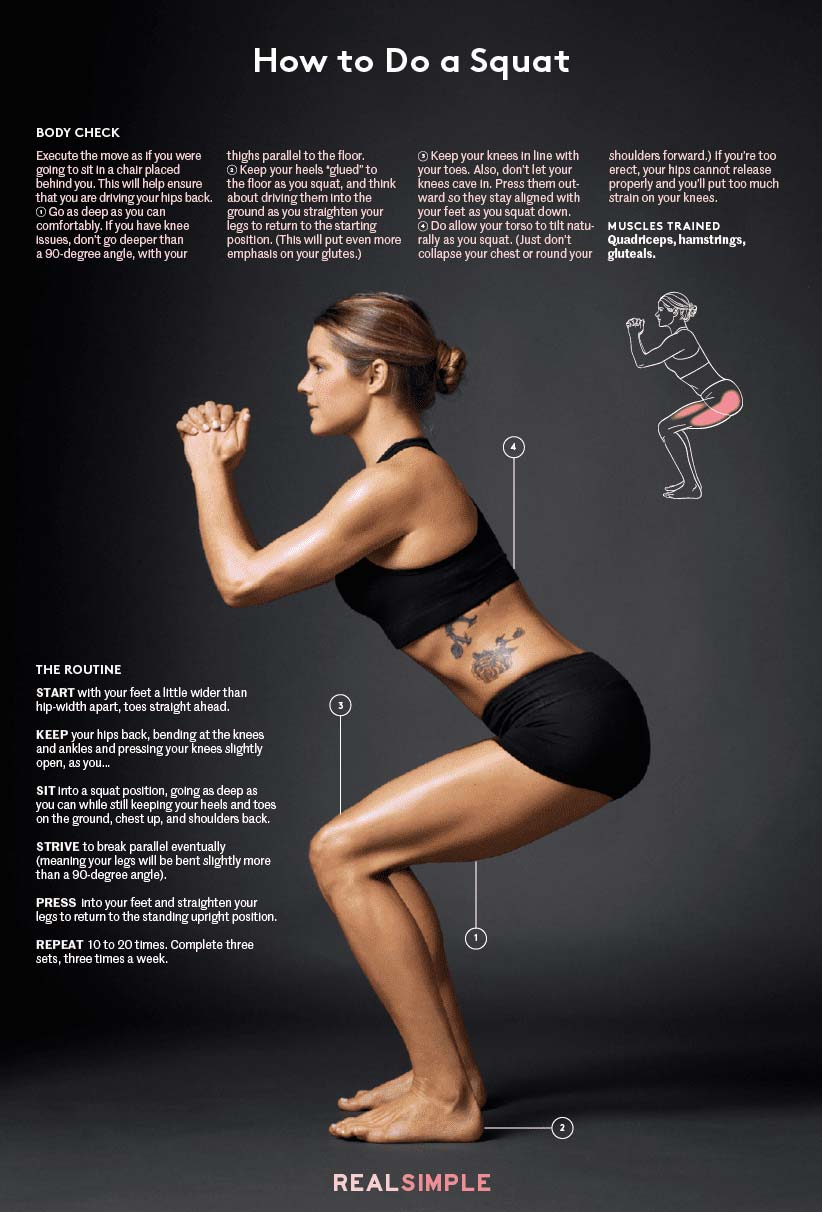
As you age, joint health and movement efficiency become critical. Focus on controlled, deliberate movements. Squats, lunges, and presses should feel stable and smooth.
Rushing through exercises or lifting too heavy too soon increases injury risk. Build a foundation first.
4. Train 2–3 Times Per Week
You don’t need to train every day.
Consistency beats frequency. Two to three well-structured sessions per week are enough to maintain and build strength over time.
This also allows proper recovery, which becomes increasingly important with age.
3. Focus on Compound Exercises
Compound movements deliver the most benefit in the least time.
Exercises like squats, deadlifts, push-ups, and rows work multiple muscle groups simultaneously. This improves strength, coordination, and overall function.
These movements mimic real-life actions, making them highly practical.
2. Support Your Joints
Strong muscles protect your joints—but only if you train correctly.
Incorporate mobility work alongside strength training. Simple stretches and controlled movements can improve flexibility and reduce stiffness.
This balance keeps your body resilient.
1. Build Strength for Life
Strength isn’t just about lifting weights.
It’s about carrying groceries, climbing stairs, and moving with confidence. It’s about maintaining independence as you age.
The stronger you are now, the better your quality of life later.

Train for the Long Term
The goal isn’t short-term results.
It’s long-term capability.
Strength training is one of the most powerful investments you can make in your health. Start where you are, stay consistent, and build a body that supports you for decades.