
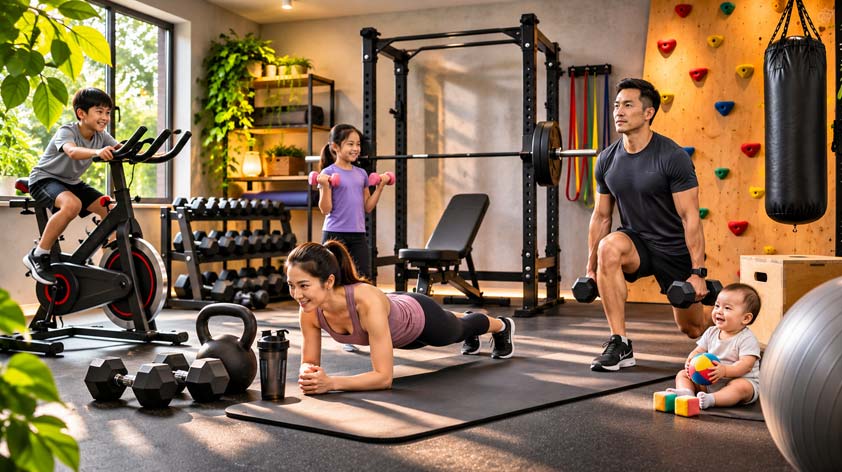
Creating an effective Home Gym Design makes it easier to prioritize physical activity without the inconvenience of traveling to a gym. However, building a home gym involves more than purchasing exercise equipment and clearing out a spare room. The environment should encourage movement, accommodate different activities, and make exercising something you look forward to.
Whether you’re transforming your garage into a fitness center or dedicating a corner of your basement to exercise, thoughtful design decisions can influence your workout experience. Explore how to create a home gym that keeps you motivated and supports your long-term fitness goals.
Design Around Your Fitness Goals
Consider what you hope to accomplish through regular exercise before investing in equipment. Choosing the right equipment for your home gym starts with identifying which types of exercise align with your goals. Someone focused on building strength may benefit from adjustable dumbbells and resistance bands, while someone looking to improve cardiovascular endurance may prefer a stationary bike or treadmill.
Think about the physical activities you already enjoy and which ones you would like to explore. Purchasing equipment simply because it’s popular may leave you with expensive items that rarely see use. Instead, prioritize equipment that complements your interests and encourages consistent participation.
Consider your available space when selecting equipment, too. Compact or multifunctional equipment can provide numerous exercise opportunities without overwhelming the room. You can gradually expand your home gym as your fitness interests and abilities evolve.
Make Room for Creative Ways To Exercise
Repeating the same exercises can make working out feel monotonous. Incorporating unconventional fitness activities into your home gym introduces new challenges and keeps your routine interesting. These activities can also help you develop physical abilities that traditional exercises may not emphasize.
For example, understanding what makes a climbing wall a smart home fitness addition can help you explore ways to improve strength, balance, coordination, and problem-solving skills through movement. Changing climbing routes and hold arrangements also allows you to introduce new challenges as your abilities develop.
Other options, such as punching bags, suspension trainers, and agility ladders, can bring additional variety to your workouts. You could even designate an open area for dancing or practicing bodyweight exercises. Giving yourself multiple ways to stay active can make exercise feel less like an obligation and more like an enjoyable recreational activity.
Create a Comfortable Workout Environment
The atmosphere of your home gym can influence how often you use it. Poor lighting, uncomfortable temperatures, and inadequate ventilation may make exercising less appealing, regardless of the quality of your equipment.
Use natural light where possible to create a bright and welcoming environment. If your workout space lacks windows, install lighting that illuminates the entire room without creating distracting glare. Fans and appropriate ventilation can improve air circulation and help maintain comfortable temperatures during workouts.
Flooring is another important consideration. Choose materials that provide appropriate traction, cushioning, and stability for your preferred activities. Rubber flooring, for instance, can help protect the underlying surface in weightlifting areas.
Consider adding personal touches, such as artwork, plants, or a speaker for playing your favorite music. These details can make the environment more inviting and help distinguish your workout space from other areas of your home.
Keep Equipment Organized and Accessible
Searching for equipment or rearranging an entire room before every workout creates unnecessary barriers to exercise. Establish designated storage areas for weights, exercise mats, resistance bands, and other accessories so you can begin your workouts with minimal preparation.
Wall-mounted storage systems and shelving units can help maximize floor space while keeping frequently used items within reach. Consider organizing equipment according to its purpose or how frequently you use it. Items you incorporate into nearly every workout should be particularly accessible.
Maintain clear pathways between different exercise stations and ensure you have enough room to perform movements safely. Avoid placing equipment too close together, especially when activities require a wide range of motion.
An organized home gym can make transitioning between exercises more efficient. Returning equipment to its designated location after each session also ensures the space is ready whenever you feel inspired to exercise again.
Establish a Flexible Workout Routine
Having a home gym provides the freedom to exercise on your own schedule. Take advantage of that flexibility by developing a routine that accommodates your lifestyle rather than forcing yourself to follow a rigid workout plan. Finding a schedule that works for you can also help you rekindle your fitness motivation when exercising begins to feel like a chore.
Alternate between strength training, cardiovascular exercise, mobility work, and recreational fitness activities throughout the week. Introducing variety can help prevent boredom while giving different muscle groups opportunities to recover.
Create alternative workout options for particularly busy days. A short stretching session or a quick bodyweight workout can provide an opportunity to move when you don’t have time for your usual routine.
Avoid treating every workout as a test of your physical limits. Some days may call for challenging exercises, while others may be better suited to gentle movement or rest. Allowing yourself to adjust your routine based on your energy levels and available time can help you develop a more sustainable relationship with exercise.
Find Ways To Track Your Progress
Recognizing improvements in your physical abilities can encourage you to continue working toward your fitness goals. Incorporate simple methods for tracking progress into your home gym setup.
A whiteboard, notebook, or fitness app can help you record completed workouts, exercise durations, and personal achievements. You might track how much weight you can comfortably lift, how long you can maintain an activity, or how confidently you perform a particular movement.
Remember that progress extends beyond measurable improvements in strength or endurance. Developing better exercise habits, learning new skills, and feeling more comfortable performing unfamiliar activities are equally worthwhile accomplishments.
Setting realistic milestones that reflect your individual abilities and interests can help you get more out of your workouts and maintain a sense of purpose. Celebrating smaller achievements along the way can make long-term fitness goals feel more attainable and provide additional motivation to use your home gym regularly.
Build a Space That Evolves With You
Your fitness needs and interests will likely change over time. A home gym that accommodates different activities and equipment upgrades can help you maintain enthusiasm for exercise without requiring a complete renovation whenever your goals shift.
Choose adaptable equipment and leave some available space for future additions. Periodically evaluate your setup to determine which items you use consistently and which ones no longer serve a purpose. Reorganizing your equipment or introducing a new activity can refresh your workout experience.
Avoid feeling pressured to purchase everything at once. Building your home gym gradually allows you to make informed decisions based on your actual exercise habits rather than assumptions about what you might enjoy.
Ultimately, the most effective home gym is one that encourages you to stay active. By prioritizing comfort, accessibility, variety, and personal goals, you can create a home gym that keeps you motivated and supports a sustainable approach to physical fitness. A thoughtfully designed space can make regular movement an enjoyable part of your everyday life.


