Most people think about their hormones only after they notice that their energy levels are lower (even after a good night’s sleep), their weight has changed (without any changes to their diet or exercise habits), or they feel like they are running on a lower setting than they were a few years ago. Those are not signs of just “getting older”. It is frequently a direct representation of hormonal wellness and recognizing the link can alter the way you think about weight, tiredness and also long-term health.
There are a few hormones that have an effect on fat storage, muscle development and available energy: insulin, cortisol, thyroid hormones, testosterone and estrogen. When that system is working well, it’s easy to take for granted. When it drifts out of balance, the effects tend to show up in exactly the two places people notice most: the scale and their energy levels.
The Hormones Behind Metabolism
Metabolism isn’t a single number or a fixed rate; it’s the sum of dozens of hormonal signals working together. A few play an outsized role:
- Thyroid hormones determine the speed of food utilization by the body. The changes in thyroid function, even those that are considered slight and not serious, can slow metabolism to the point of fatigue and gradual weight gain, before it is recognized by the individual or by routine laboratory blood testing as a problem.
- Insulin plays a role in regulating the body’s response to carbohydrates and fat storage. Over time, a refined carbohydrate-rich diet can cause cells to become more resistant to the action of insulin, leading to an increasing ability to store fat and a decreased ability to burn fat, even in individuals with stable weight and activity levels.
- The main stress hormone, called cortisol, is meant for short spurts, not prolonged increases. Stress often becomes chronic, and high levels of cortisol are linked to increased body fat, as well as poor sleep quality, making it more difficult to control weight and energy, a vicious cycle that many people don’t think about.
- Both testosterone and estrogen have a direct impact on muscle mass, and muscle is metabolically active, meaning that it burns off more calories than fat does at rest. These hormones decrease as we get older and in turn so does our own ability to keep our muscles healthy, which in turn slowly reduces our RMR without any changes in diet.
No single one of these hormones acts alone. When one is affected, another is affected. For example, when cortisol rises due to chronic stress, insulin sensitivity, thyroid function, and sex hormone balance can all be affected. That is why hormonal symptoms are often perceived as being “diffuse,” i.e., one symptom could be fatigue, another stubborn weight, another brain fog, another mood changes, and all four are linked in some way to one another.
This is also the reason for the isolated fix being a disappointment. Reducing calories without addressing chronic, high cortisol can have a negative effect because the cortisol from stress already encourages fat retention. Supplementing with a stimulant for tiredness rather than addressing the cause of the tiredness is masking the symptom and not the underlying cause. Hormonal balance is more like a system than a list, and that’s why tackling the whole system rather than just one variable at a time is the best way to achieve hormonal balance.
Why Energy Levels Are a Hormonal Story
Low energy is among the most frequent causes people seek to study their hormonal health, and no wonder, as a number of major hormone systems directly relate to energy production. Thyroid hormones affect the metabolism of cells in general. When cortisol is out of balance, it interferes with normal sleep architecture, which is required for energy recovery. The common afternoon slump is due to the fluctuation of blood sugar levels caused by insulin resistance. Loss of any of these hormones may lead to muscle weakness or poor sleep, adding to sleep fatigue from multiple fronts.
That’s why, if you can’t sleep more or drink less coffee to solve your energy issues, it’s worth considering them as a hormonal problem, instead of simply a lifestyle one. However, a complete hormone test, not speculation, is typically the quicker way to understanding what is really causing ongoing fatigue.
It also provides the rationale for why fatigue is prevalent during certain life stages of the woman: the years of perimenopause and menopause, around a significant weight shift, and for most men, a gradual drop in testosterone that begins in their 30s and 40s. These are not “types” of fatigue, but rather varying access points into the same hormonal network, hence the effectiveness of these symptom treatment methods is only short-term.
Where Lifestyle Medicine Fits In
Hormone health isn’t purely a medical intervention question; daily habits have a measurable effect on hormonal balance, and they’re the foundation any medical approach builds on. A few patterns consistently show up in the research on healthy aging and metabolic health:
- Resistance training helps preserve muscle mass, which supports both testosterone levels and resting metabolic rate as people age.
- Sleep consistency directly regulates cortisol rhythm; irregular sleep is one of the most reliable ways to disrupt it.
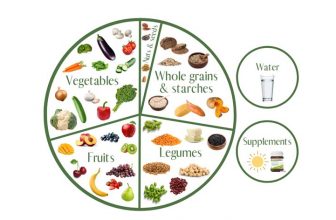
- Protein-adequate, whole-food-based eating patterns support stable blood sugar and reduce the insulin spikes that drive fat storage over time.
- Stress management practices, whether that’s structured downtime, mindfulness, or simply protecting boundaries around workload, keep cortisol from staying chronically elevated.
These habits matter regardless of whether someone ever needs clinical hormone support, and for many people, consistent attention to them is enough to meaningfully improve energy and metabolic health on its own. It’s also worth noting that these same habits work together, rather than alone with hormones: poor sleep decreases willpower for regular eating habits and lack of resistance training increases muscle loss in itself. A series of little changes over multiple of these areas often add up rather than any one single change.
For others, particularly those with more significant hormonal shifts tied to age, thyroid conditions, or metabolic dysfunction, lifestyle changes alone may not fully resolve the underlying imbalance. In those cases, working with a qualified provider to test hormone levels and pursue medically guided weight management can identify what a lifestyle approach alone might miss — connecting the dots between symptoms like fatigue and stubborn weight and the specific hormonal patterns driving them.
Reading the Signals Instead of Guessing
The most useful shift in how people think about hormone wellness is treating fatigue and weight changes as information rather than inevitabilities. A body that’s holding onto weight despite consistent effort, or an energy level that doesn’t respond to more sleep, is usually signaling something specific, not a personal failing to push through with more willpower.
That reframe matters because it changes where people look for answers. Instead of cycling through diets or stimulants, it becomes worth asking a more direct question: which hormonal systems might be contributing to this pattern, and what does the actual data: bloodwork, symptoms, history, say about it? For some people, that answer lies mostly in daily habits: better sleep, resistance training, and stress management. For others, it involves ruling out thyroid dysfunction, insulin resistance, or age-related hormonal decline through proper testing.
Either way, understanding hormones as the throughline connecting metabolism, weight, and energy, rather than three separate problems, is what allows both lifestyle changes and clinical care to actually target the right thing. Whether the path forward is primarily behavioral or involves clinical support, the underlying principle stays the same: hormone health isn’t a side issue to weight and energy; it’s central to both, and it deserves the same level of attention as any other pillar of supporting overall wellness goals.