The fitness world continues to evolve, and 2025 is emerging as a defining year for long-term health and performance. Instead of quick fixes or extreme workout routines, today’s leading fitness trends prioritise sustainability, personalised training, recovery, and whole-body wellbeing. These shifts help people train smarter, stay consistent, and achieve lasting results without burnout.
Whether you’re a gym regular, weekend runner, or just beginning your health journey, understanding where fitness is heading can help you train smarter, stay motivated, and avoid burnout. Here are the seven most impactful fitness trends of 2025 — and why they matter.
1. Personalised Training Takes Centre Stage
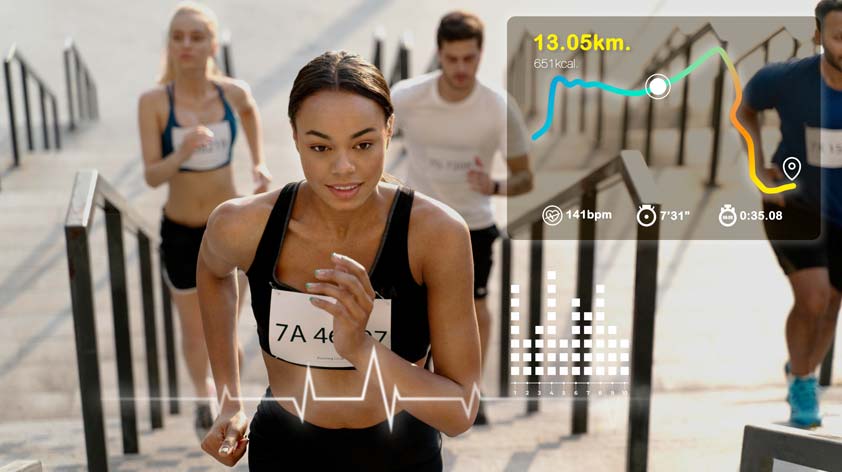
One-size-fits-all workout plans are fading fast. Personalised training, driven by data from wearables and fitness apps, is now the gold standard. Heart-rate variability, sleep quality, and recovery scores help people adjust intensity day-to-day, reducing injury risk while maximising results.
This shift aligns with the growing understanding that bodies respond differently to stress and training load — a key reason personalised plans outperform generic programs.
2. Functional Fitness for Everyday Strength
Functional fitness continues to dominate because it delivers real-world benefits. Movements like squats, carries, lunges, and rotational exercises improve balance, mobility, and coordination while strengthening muscles used in daily life.
This trend appeals across age groups and fitness levels, making it one of the most inclusive training approaches today.
3. Recovery Is No Longer Optional
Recovery has moved from “nice to have” to essential. Foam rolling, mobility sessions, active recovery days, and proper post-workout nutrition are now seen as non-negotiable for progress.
Ignoring recovery often leads to stalled results and fatigue — something we explore in more detail in “7 Recovery Tips to Unlock Your Workout Potential” on Keep Fit Kingdom. Internal linking to recovery content strengthens both performance and SEO value.
4. Community-Driven Fitness Grows Stronger
From group training sessions to online fitness challenges, community-based fitness remains one of the strongest motivators. Shared accountability helps people stay consistent, especially during busy or stressful periods.
Virtual communities and hybrid workouts allow people to train together regardless of location, blending flexibility with social support.
5. Wearable Technology Becomes Smarter
Wearable tech is no longer just counting steps. Devices now offer insights into sleep cycles, stress levels, oxygen saturation, and recovery readiness. This data helps users fine-tune training intensity and spot early signs of overtraining.
As technology improves, expect wearables to play an even bigger role in injury prevention and performance optimisation.
6. Mind-Body Integration Goes Mainstream
Fitness is no longer viewed as purely physical. Breathwork, mindfulness-based movement, and stress-regulation practices are increasingly integrated into training routines.
This mind-body approach supports mental clarity, emotional resilience, and better recovery — key pillars of sustainable health. Nutrition and mindset also intersect strongly here, as discussed in “The Ultimate Guide to Crafting Your Perfect Wellness and Fitness Diet.”
7. Sustainable Habits Over Extreme Programs
Perhaps the most important trend of all: sustainability. Instead of extreme dieting or punishing workouts, people are choosing consistency — regular movement, quality sleep, hydration, and realistic goals.
This shift reduces burnout and helps people stay active for life, not just for short bursts.
Final Thoughts
The fitness trends of 2025 reflect a mature, science-informed approach to health. Personalisation, recovery, community, and sustainability aren’t just buzzwords — they’re the foundation of lasting results.
If you’re looking to upgrade your routine this year, start by adopting one or two of these trends and build from there. Small, consistent changes often deliver the biggest long-term rewards.