You’ve pushed through the reps, finished the miles, and crushed your workout goals. But what happens next matters just as much as the training itself. Every fitness enthusiast should have a supply of tools that really help with post-workout recovery along with a proper recovery routine for peak performance. The right strategies can reduce soreness, improve performance, and help you stay consistent in the long term. Let’s break down the tools and methods that truly make a difference.
Foam Rollers and Massage Guns
Foam rollers remain some of the most accessible and effective recovery tools. They increase blood flow to sore muscles, improve flexibility, and reduce delayed-onset muscle soreness (DOMS). Just 5 to 10 minutes targeting major muscle groups can help you feel looser and ready for your next session.
Massage guns take things a step further by providing percussive therapy. These devices stimulate deep muscle tissue, reducing tightness and accelerating circulation. They’re especially useful for athletes who are training multiple times per week.
Compression Gear
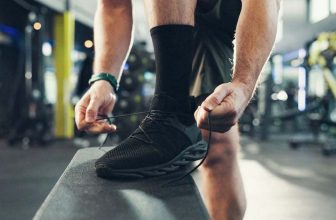
Compression sleeves, socks, and leggings support circulation, reduce swelling, and minimize muscle fatigue. Many runners and strength athletes use compression gear during or after workouts to maintain performance and speed up recovery time.
Proper Fueling and Hydration
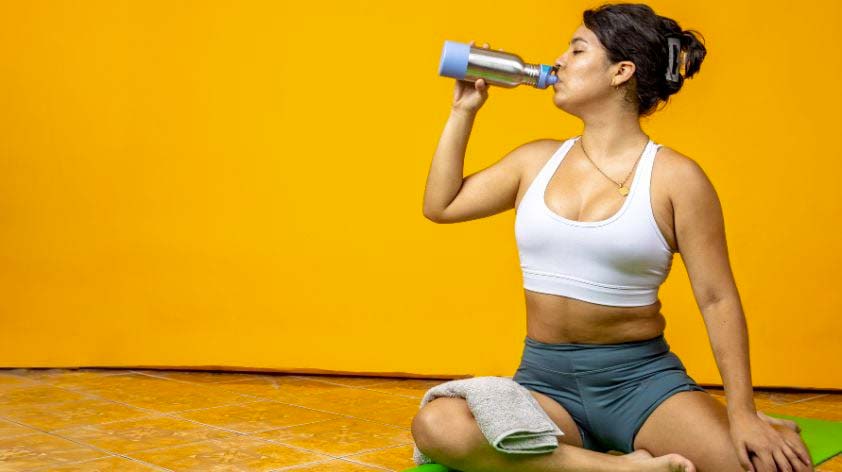
No recovery tool works without proper nutrition. Your body needs protein to repair muscles and carbohydrates to replenish glycogen stores. Hydration is equally critical, as even mild dehydration can delay muscle repair and increase fatigue.
Cold and Heat Therapy
Alternating between hot and cold therapy has long been used to ease soreness and inflammation. Ice baths and cold showers may reduce inflammation after intense training, while heat therapy relaxes tight muscles and improves circulation.
For those looking to invest in home-based hydrotherapy options, features such as adjustable jets and temperature controls can support muscle relaxation and stress relief. If you’re considering water-based recovery solutions, understanding the key differences between swim spas and hot tubs can help you determine which option aligns with your fitness and wellness goals.
Mobility and Stretching Tools
Resistance bands, yoga blocks, and mobility balls can dramatically improve flexibility and joint health. Incorporating mobility work after your workout enhances your range of motion and reduces the risk of injury over time.
Of course, effective recovery also begins before your session even starts. Preparing your body correctly can reduce strain and soreness later. These preparations you should make before every workout set the foundation for smoother recovery afterward.
Sleep: The Ultimate Recovery Tool
Gadgets and gear can help, but nothing replaces quality sleep. During deep sleep, your body releases growth hormones, repairs tissue, and restores energy. Aim for 7 to 9 hours of sleep per night to maximize your results.
At the end of the day, the tools that really make a difference in your post-workout recovery come down to consistency and balance. Combine smart equipment choices with proper nutrition, hydration, mobility work, and sleep. When you prioritize recovery as much as your training, you won’t just bounce back faster—you’ll build a stronger, more resilient body that’s ready for whatever challenge comes next.