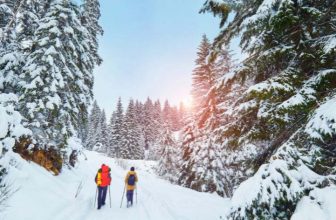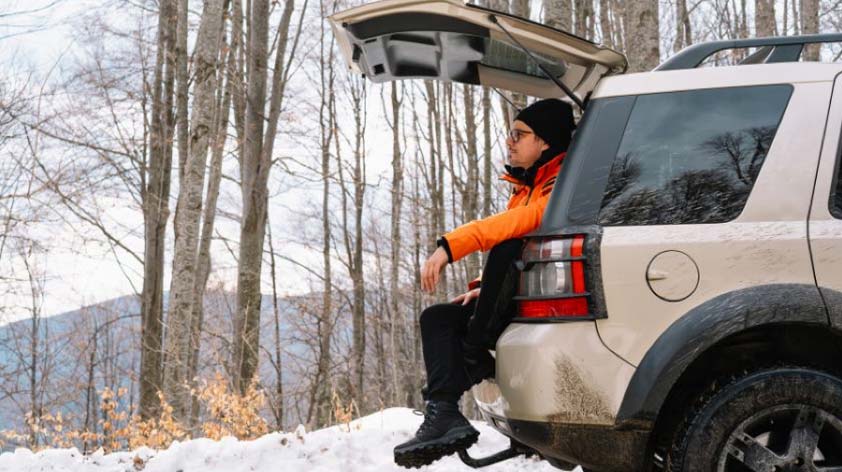
Winter doesn’t announce itself with fanfare. It settles in gradually through steady rain, damp mornings, cold snaps, and afternoon warmth that softens the ground again. These subtle shifts don’t seem dramatic at first, but they fundamentally alter winter off road trail conditions when you’re behind the wheel.
Clay and Mud Transform Under Pressure
Clay has a personality. In dry months, it’s dusty but predictable. Add winter rain and freezing temperatures, and that same ground turns slick and stubborn.
Freeze-thaw cycles loosen compact soil as moisture expands overnight, then contracts when temperatures rise. By midday, sections that looked firm in the morning may feel soft and uneven. Hills and off-camber stretches become especially prone to this shift, and conditions can change gradually as you move further from your starting point.
Elevation Adds Complexity
Winter affects regions differently based on altitude. Lower elevations deal primarily with rain and mud, whilst higher terrain faces colder temperatures and more frequent freeze-thaw cycles.
A trail that feels damp but manageable at a lower altitude may be partially frozen further up. Higher ridgelines hold ice longer, even when valleys feel mild. That contrast catches people off guard when they assume conditions will remain consistent across an entire route.
Leaf Cover Obscures the Ground
Wet leaves create a smooth, uniform layer that blurs visual cues. They hide ruts, shallow depressions, and the edges of stable ground. What appears flat from a distance may conceal uneven footing or soft spots underneath.
In wooded areas, leaf piles collect along trail edges, and those edges sometimes give way more easily than expected. Winter doesn’t necessarily make trails worse—it just makes them harder to read.
Water Crossings Demand Attention
Winter storms raise creek levels quickly. A crossing that barely reached your tires in late summer can look entirely different after several days of rain.
When deciding which off-roading trail to take for your adventure, remember that colder water changes the equation. What feels like a minor inconvenience in warmer months can turn serious when air temperatures sit near freezing. Storm runoff can undercut banks or shift rocks without warning, so even familiar crossings aren’t guaranteed to behave the same way from one season to the next.
Cold Air Affects Vehicle Performance
Winter doesn’t just change the trail; it changes how vehicles respond under winter off road trail conditions. Fluids thicken, batteries work harder, and small mechanical issues reveal themselves more quickly in cold air.
Earlier off-road machines were designed for remote terrain where help wasn’t guaranteed, and their practical traits still make sense when winter weather limits recovery options. Modern vehicles are far more advanced, but cold weather still rewards awareness. Understanding how lower temperatures influence performance can prevent a small issue from becoming a long walk. If you’re planning extended trips or camping from your vehicle, that knowledge becomes even more valuable.
Winter offers some of the most peaceful days outside. With awareness and a willingness to adapt, they can also be some of the most rewarding.